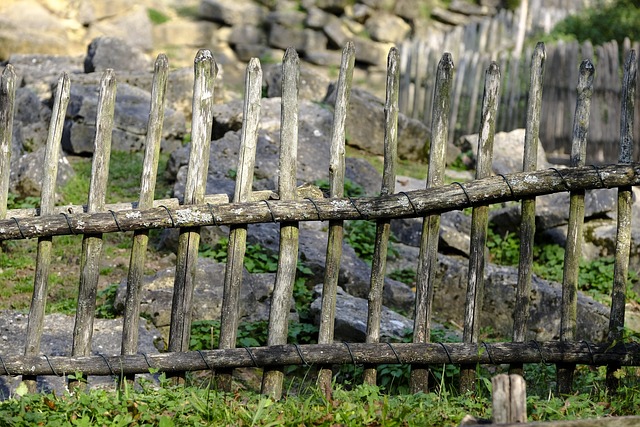
Large properties present unique fencing challenges, requiring solutions that balance cost, durability, and aesthetic appeal. This article delves into effective strategies for securing extensive land while optimizing expenses. We explore the nuances of understanding specific property needs, comparing traditional fencing with innovative alternatives, and selecting durable materials to ensure longevity and economy. Furthermore, it provides creative design insights to elevate your property’s value and offers installation tips catering to DIY enthusiasts and professional contractors.
- Understanding Fencing Needs for Large Properties
- Traditional Fencing vs Cost-Effective Alternatives
- Durable Materials for Longevity and Economy
- Creative Designs to Enhance Property Value
- Installation Tips for DIY and Professional Options
- Maintenance Strategies for Long-Lasting Fences
Understanding Fencing Needs for Large Properties
Fencing large properties presents unique challenges compared to smaller plots. The primary consideration is not just aesthetics, but functionality and durability tailored to withstand vast spaces. Property owners must assess various factors such as security needs, privacy requirements for different areas, and environmental elements like strong winds or heavy rainfall that can impact fence integrity.
Additionally, large properties often involve diverse terrains—from gently sloping hills to uneven landscapes—which necessitate flexible fencing solutions that can adapt to varied heights and angles. Understanding these specific needs is vital for selecting cost-effective materials and designs that offer both functional benefits and long-term savings.
Traditional Fencing vs Cost-Effective Alternatives
Traditional fencing methods can be expensive and often require regular maintenance, making them less appealing for large properties with significant budgets. The good news is that there are now numerous cost-effective alternatives available, offering both functionality and aesthetic appeal. These modern solutions not only provide security but also add value to the property without breaking the bank.
Compared to conventional fences, options like vinyl fencing, chain link, or even natural barriers like hedges can significantly reduce installation and maintenance costs. Vinyl fencing, for instance, is durable, low-maintenance, and offers a wide range of styles to suit various tastes. Chain link fences are equally versatile, providing security without sacrificing visibility, while living fences or hedges not only provide privacy but also offer seasonal interest and attract local wildlife.
Durable Materials for Longevity and Economy
When considering fencing solutions for large properties, opting for durable materials is a strategic move towards long-term cost savings. Materials like high-density polyethylene (HDPE) and steel are renowned for their resilience against environmental factors such as UV rays, extreme temperatures, and corrosion. HDPE, often used in recycled forms, offers exceptional strength while being lightweight, which can reduce installation costs. Steel, a time-tested material, provides unparalleled strength and security, making it ideal for properties requiring high-security fencing.
These materials’ longevity translates to fewer replacement needs over time, thereby reducing maintenance expenses. Moreover, their durability means they can withstand the challenges of large properties, including exposure to harsh weather conditions and potential damage from wildlife or passing vehicles. By investing in durable fencing materials, property owners can achieve both aesthetic appeal and economic efficiency without compromising on quality.
Creative Designs to Enhance Property Value
Fencing isn’t just about functionality; it’s an opportunity to enhance your property’s aesthetics and value. Creative designs can transform a simple barrier into a stunning architectural feature that complements your landscape. For large properties, consider custom-built fences with intricate patterns or unique materials like wrought iron or wood lattices. These not only add visual appeal but also offer a sense of elegance and sophistication.
Integrating natural elements like plants or incorporating artistic touches such as sculptures can elevate the fence from a practical structure to a captivating work of art. Such creative designs not only increase the property’s value but also create a welcoming atmosphere, making your home stand out in the neighborhood.
Installation Tips for DIY and Professional Options
When installing fencing on large properties, whether you’re opting for a DIY project or hiring professionals, careful planning is key. For DIY installations, ensure you have all the necessary tools and materials, including post-hole diggers, hammers, string lines for straight alignment, and high-quality fence posts and panels. Begin by marking out your desired fence line using stakes and string, then create holes for the posts at regular intervals, ensuring proper depth for stability. Next, set up your posts and secure them with concrete, following manufacturer instructions for panel attachment. This step-by-step approach allows for precise control over your fence’s layout and quality.
For professional installations, communication is vital. Clearly convey your vision, property boundaries, and any specific requirements to the fencing contractor. They will manage procurement, ensuring suitable materials meet local regulations and withstand regional climate conditions. Site preparation, including clearing debris and grading the land, is a critical phase. Contractors use specialized equipment for efficient post-hole digging and precise fence alignment, guaranteeing a robust and levelled structure. Their expertise in handling complex layouts, steep slopes, or unique property lines ensures your large property is securely fenced without compromising quality or safety.
Maintenance Strategies for Long-Lasting Fences
Regular maintenance is key to ensuring your fence remains robust and long-lasting, especially for large properties with extensive fencing. A simple cleaning routine can go a long way in preventing buildup of dirt, debris, and even overgrowth that could weaken the structure. Using appropriate cleaning solutions and tools, such as a pressure washer or brush, can help remove stubborn grime without causing damage to the fence’s material.
In addition to cleaning, periodic inspection for signs of wear and tear is essential. Look out for loose or damaged boards, rusted posts, and any structural weaknesses. Regular repairs, including replacing worn-out components and sealing exposed wood, will keep your fence in top condition. Consider treating wooden fences with weatherproof preservatives to shield them from the elements, further extending their lifespan.